


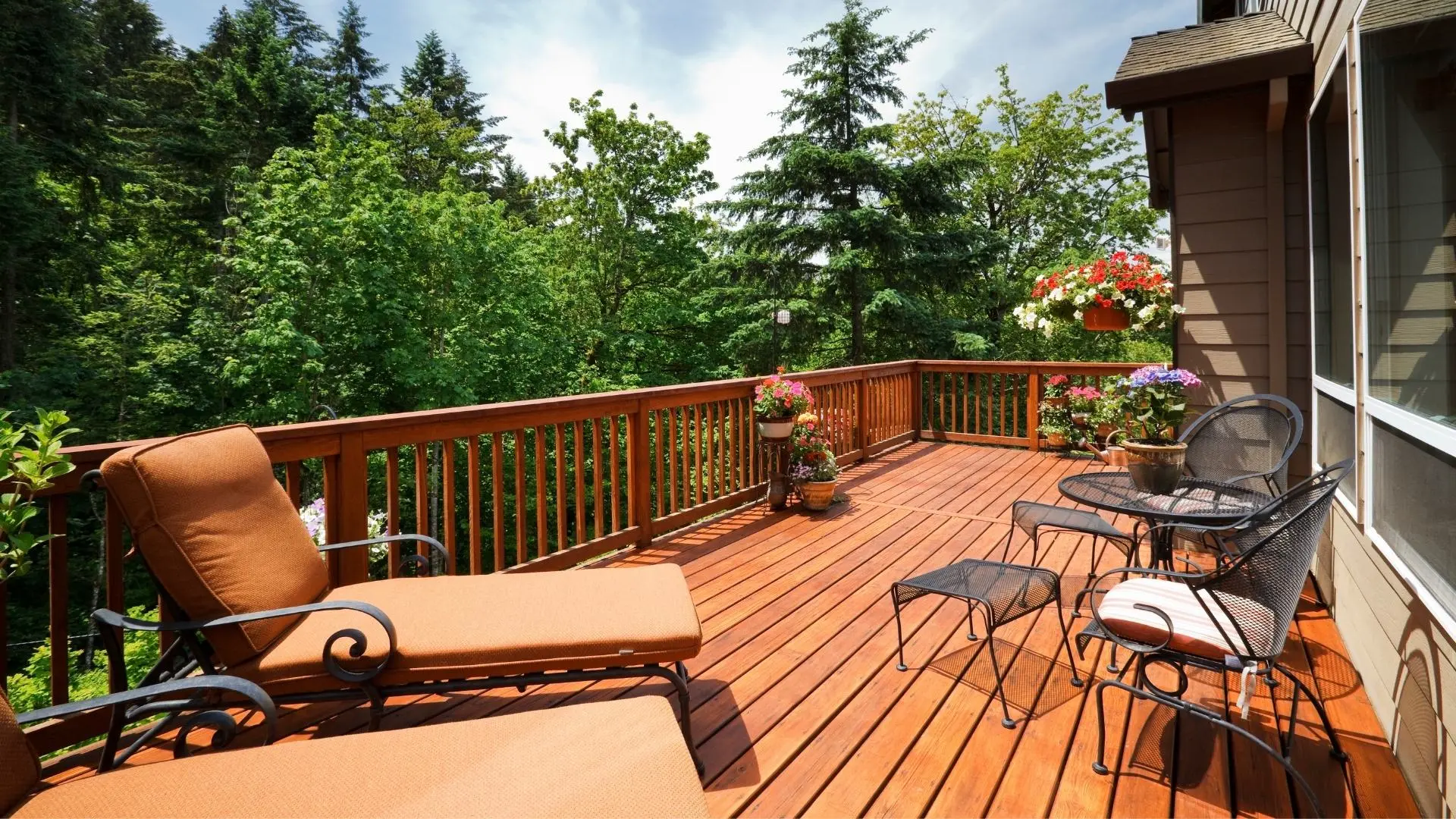
If you are trying to decide whether to repair or replace a deck in Massachusetts, the answer depends on more than appearance alone. When a deck starts showing signs of wear, many homeowners ask the same question: is it still worth repairing, or is it time for a full replacement? The right choice depends on the current condition of the structure, the material, how often the deck is used, and what you want this space to do for your home going forward.
When deck repair still makes sense
Not every aging deck needs a full replacement.
In many cases, repair still makes sense when the issues affect only specific areas and the main structure remains stable and safe. That may happen when you see surface wear, a few damaged boards, railings that need adjustment, or finishes that have simply broken down over time.
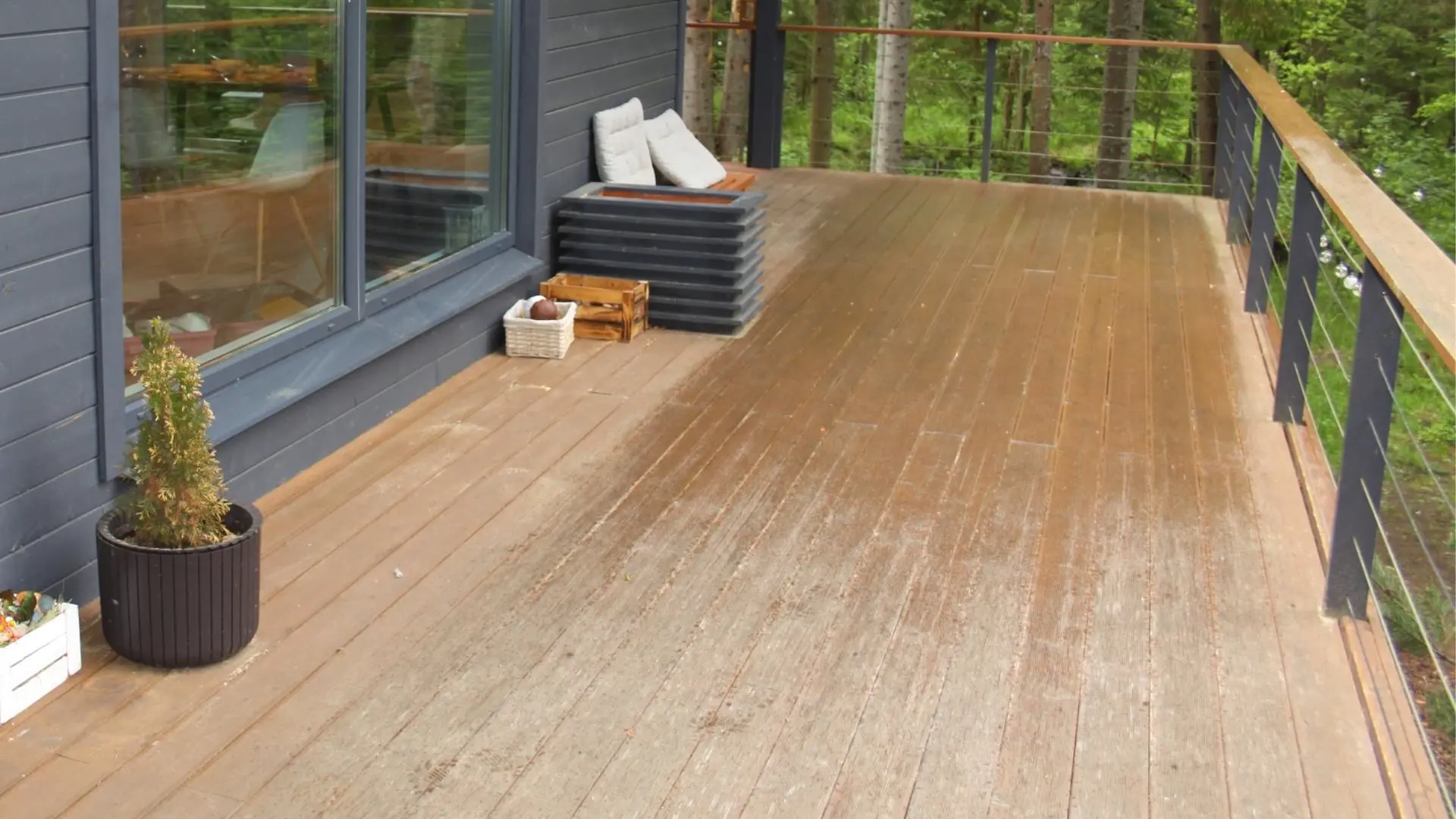
Older decks often lose visual appeal before they lose structural integrity. The appearance changes. The surface looks worn. Certain areas need attention. But that does not automatically mean you need to rebuild the entire deck.
When the underlying structure remains in good shape, a well-planned repair may offer the best way forward without forcing you to start from scratch.
Signs that replacing your deck may be the better option
Sometimes replacement stops feeling excessive and becomes the smarter decision.
One of the clearest signs is widespread deterioration. This is not just about one or two damaged boards. It is about a structure showing multiple problem areas at once.
Rotting boards, unstable sections, loose steps, unsafe railings, and ongoing signs of moisture often point to a deeper issue. When that happens, isolated repairs can turn into an expensive and frustrating cycle.

Repeated repair work is another major factor. Once a deck reaches the stage where a new issue shows up every few months, it makes sense to step back and look at the bigger picture. What looks like short-term savings can easily cost more over time.
Replacement may also make more sense when the existing deck no longer matches the standard of the home or the way the family wants to use the space.
Homeowners thinking about resale potential may also want to read: How to Increase Home Value: 3 Influential Factors.
Deck material plays a big role in this decision
The material itself has a major impact on whether repair or replacement makes more sense.
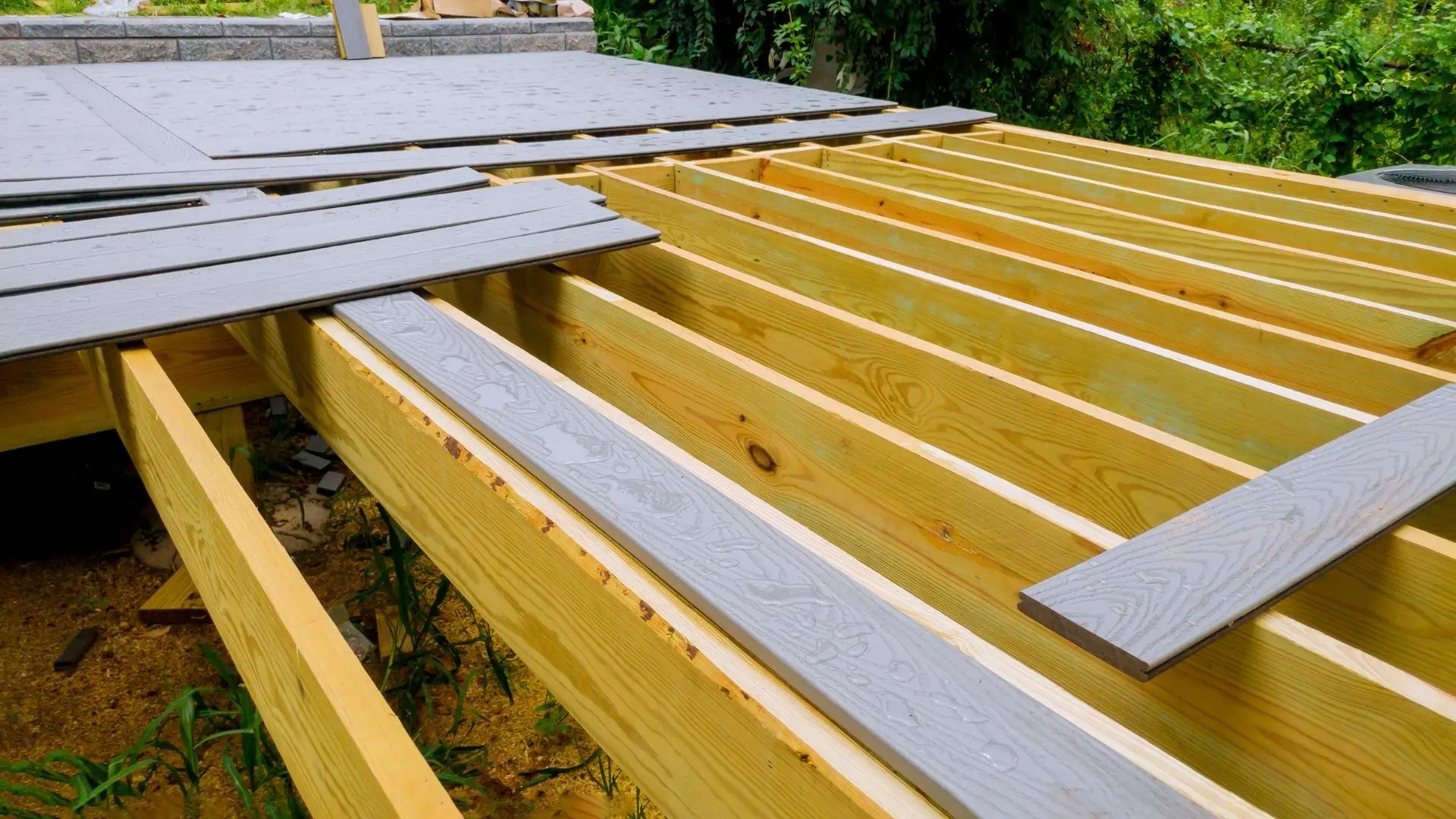
Some older decks, especially wood decks exposed to the elements for many years, need more frequent maintenance over time. Weather exposure, upkeep history, and board condition all influence that decision. At a certain point, restoring the original material simply stops being the most practical option.
If you are also comparing durability and maintenance in outdoor upgrades, we recommend reading: 5 Important Aspects to Renovate Your Home’s Exterior.
That is when replacement becomes more than just a swap. It becomes an opportunity to improve the entire project.
In many cases, the homeowner is not just trying to fix what broke. They want a solution that feels more durable, more practical, and better suited to everyday life. That naturally leads to a comparison between the materials available today.
Wood or Composite: What makes more sense in Massachusetts?
This is one of the most common questions among homeowners planning to renovate or replace a deck.
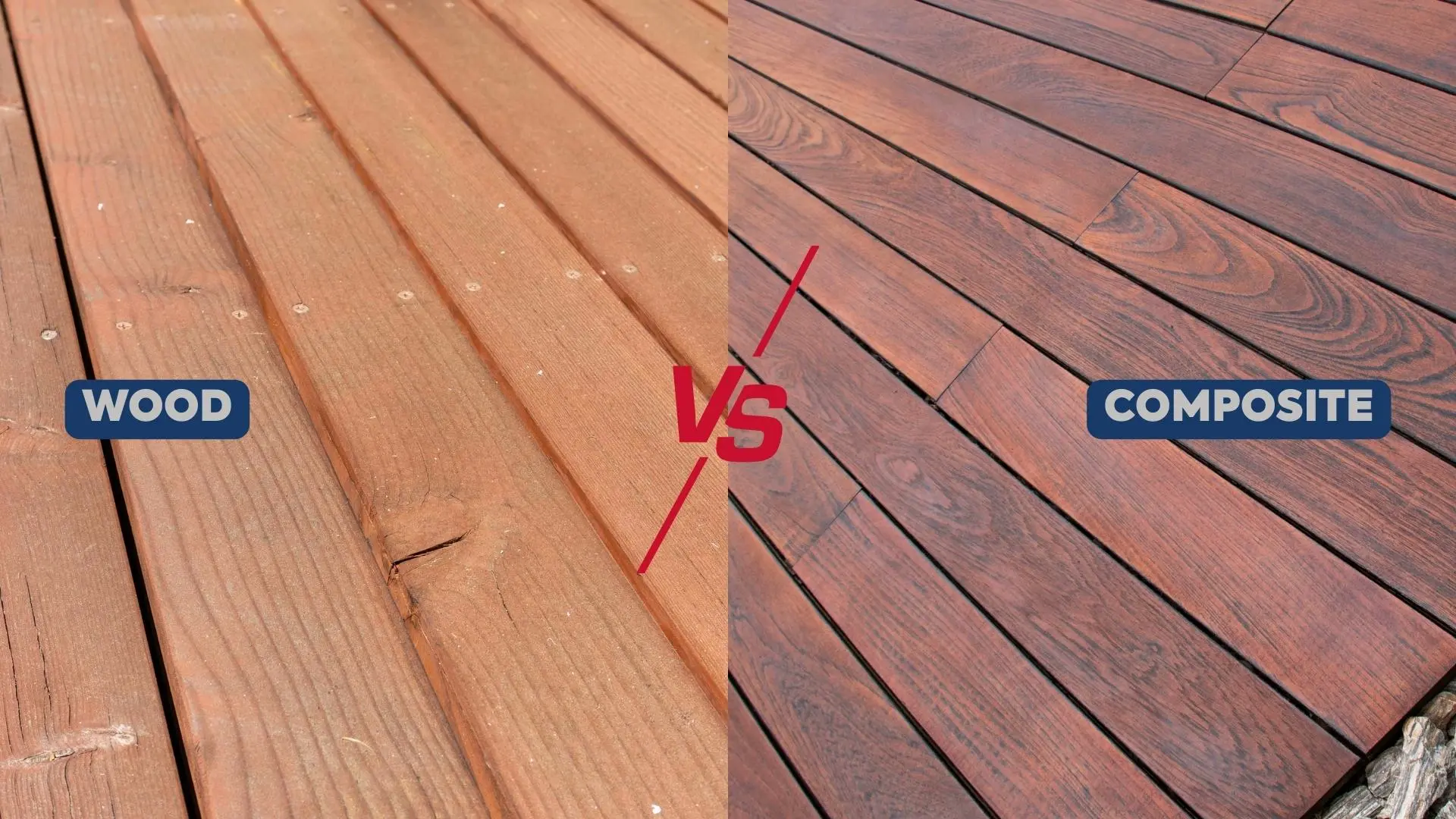
Wood remains a popular choice because of its natural appearance and more traditional character. It works especially well when regular maintenance is part of the plan and aesthetics remain a top priority.
Composite, on the other hand, stands out because it requires less day-to-day maintenance. For many homeowners, that matters a lot. After all, no one wants to invest in a beautiful outdoor space only to end up dealing with frequent repairs, accelerated wear, and constant upkeep.
In a place like Massachusetts, the climate puts materials through a lot over the course of the year. That makes the decision even more important. This is not just about appearance. It is about durability, lifestyle, practicality, and the kind of investment that fits the way your family lives.
That is why, in some projects, replacing an older deck also creates an opportunity to upgrade to a more modern and functional solution.
How to make the right decision for your home
The best way to decide between repair and replacement is to look beyond the visible problem.
Sometimes a deck looks only somewhat worn on the surface, while the structure underneath still supports a successful repair. In other cases, what looks like minor wear is really just the tip of the iceberg. Continuing to patch it only delays a decision that already deserves attention.
It helps to think through a few questions:
-
Is the problem limited to a few areas, or does it affect the structure more broadly?
-
Does the deck still feel safe for everyday use?
-
Does the current material still make sense for your household?
-
Do you want to fix the damage only, or improve the space as a whole?
-
Does continued repair still make sense, or does the project need a more lasting solution?
These questions move the decision away from guesswork. And that matters, because the right choice is not always the one with the lowest upfront cost. Often, it is the one that saves you from repeated expenses and future headaches.
To avoid common mistakes before starting a larger project, we also recommend: What Not to Do in a Home Renovation?