



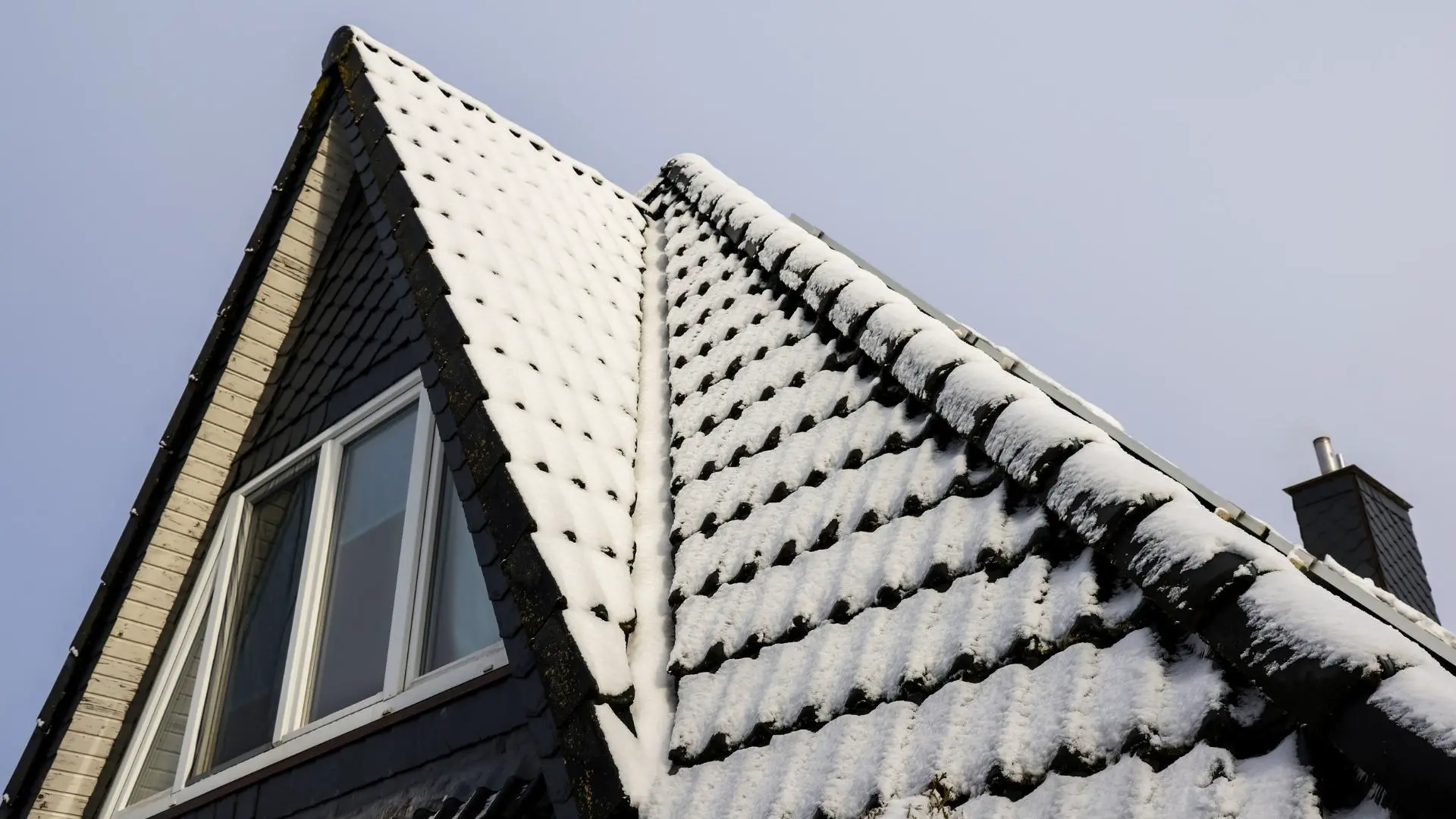
The winter can cause roof damage that does not always show up right away. Snow buildup, ice along the edges, freeze-thaw cycles, and excess moisture in the attic can gradually affect the roofing system, and in many cases the signs only become clear when the season begins to change. That is exactly why it makes sense to pay closer attention to your roof in late winter and during the transition into spring.
Why winter takes such a toll on a roof
The issue is not just snow itself. What really puts a roof through it is the combination of factors.
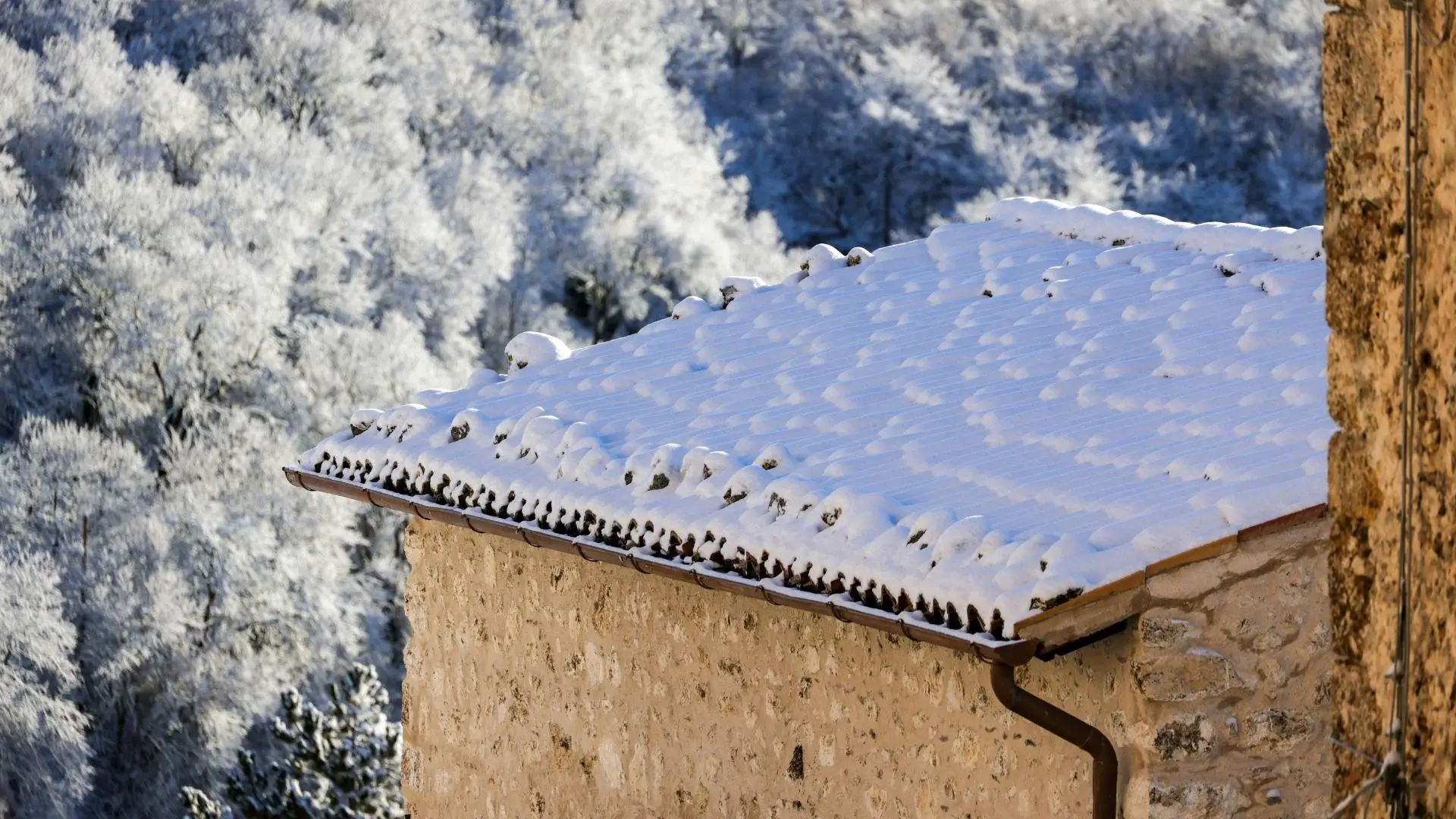
When snow builds up on the roof, the weight alone becomes something to watch. But things get more complicated when that snow starts melting in some areas and refreezing in others. That repeated cycle encourages ice buildup, interferes with proper drainage, and increases the risk of water intrusion, especially around roof edges, gutters, flashing, and areas where the system was already more vulnerable.
Another major factor is the attic. In cold climates, poor ventilation and inadequate insulation can create temperature differences across the roof that contribute to condensation and ice dam formation. And when that happens, the damage is not limited to the outside. Wood framing, insulation, and interior structural components can also start to suffer.
What to look for as winter starts to wind down
That transition between late winter and early spring is a great time to pay closer attention to your roof. Not because every home will have a problem, but because this is often when many of those issues become easier to spot.
Some signs deserve immediate attention: water stains on the ceiling, a damp smell on the upper floor, condensation in the attic, cracked, curled, or missing shingles, bent or clogged gutters, and areas of the roof that look more worn than the rest. Even when a sign seems minor, it can still be the result of something that developed gradually over the colder months.
It is also worth noticing the smaller changes that many people tend to overlook, such as:
- a slight water streak near an exterior wall
- a small stain that shows up after rain
- a spot on the ceiling that looks slightly darker than usual
- an attic that feels more stuffy or humid than normal
These signs may suggest that the roof did not come through winter as well as it seemed.
Ice dams are more than just a winter nuisance
In Massachusetts, ice dams are already a familiar issue for many homeowners. The important point is not just the visible ice along the edge of the roof, but what it may be telling you.
When snow melts on a warmer section of the roof and then refreezes along the colder eaves, water can back up behind that ridge of ice. From there, it may work its way underneath the shingles and into areas where it should never be. The result can be attic leaks, stains on walls and ceilings, and progressive damage to materials that were never meant to handle that kind of moisture.
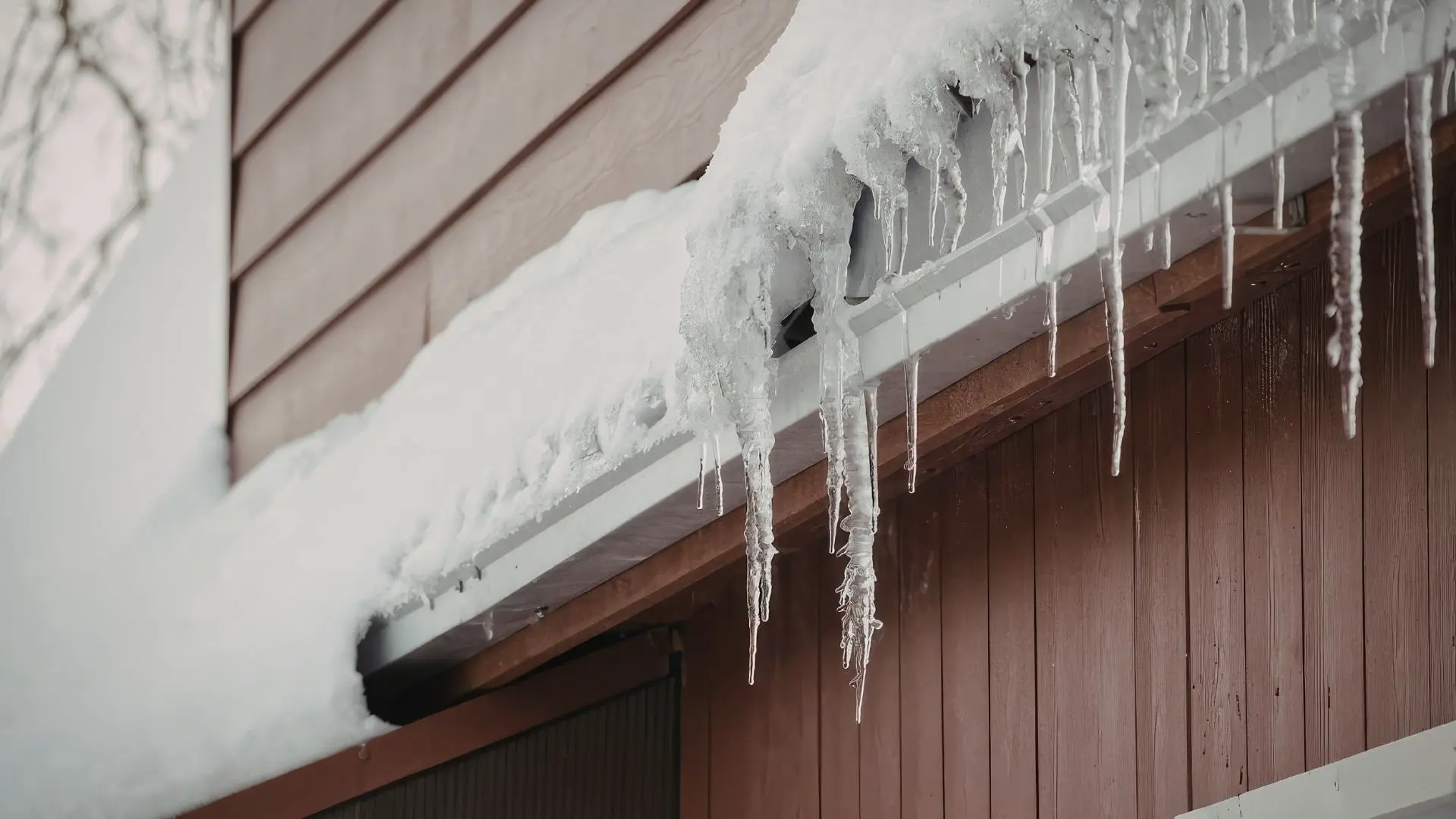
That is why ice dams should not be seen as just a normal side effect of cold weather. In many cases, they are a warning sign that ventilation, insulation, or moisture control inside the home is not performing the way it should. And when the underlying cause is still there, the problem is likely to come back the following winter.
The attic matters more than most people think
When roof problems come up, most people naturally look outside first. That makes sense. But with winter roofing issues, an important part of the answer is often in the attic.
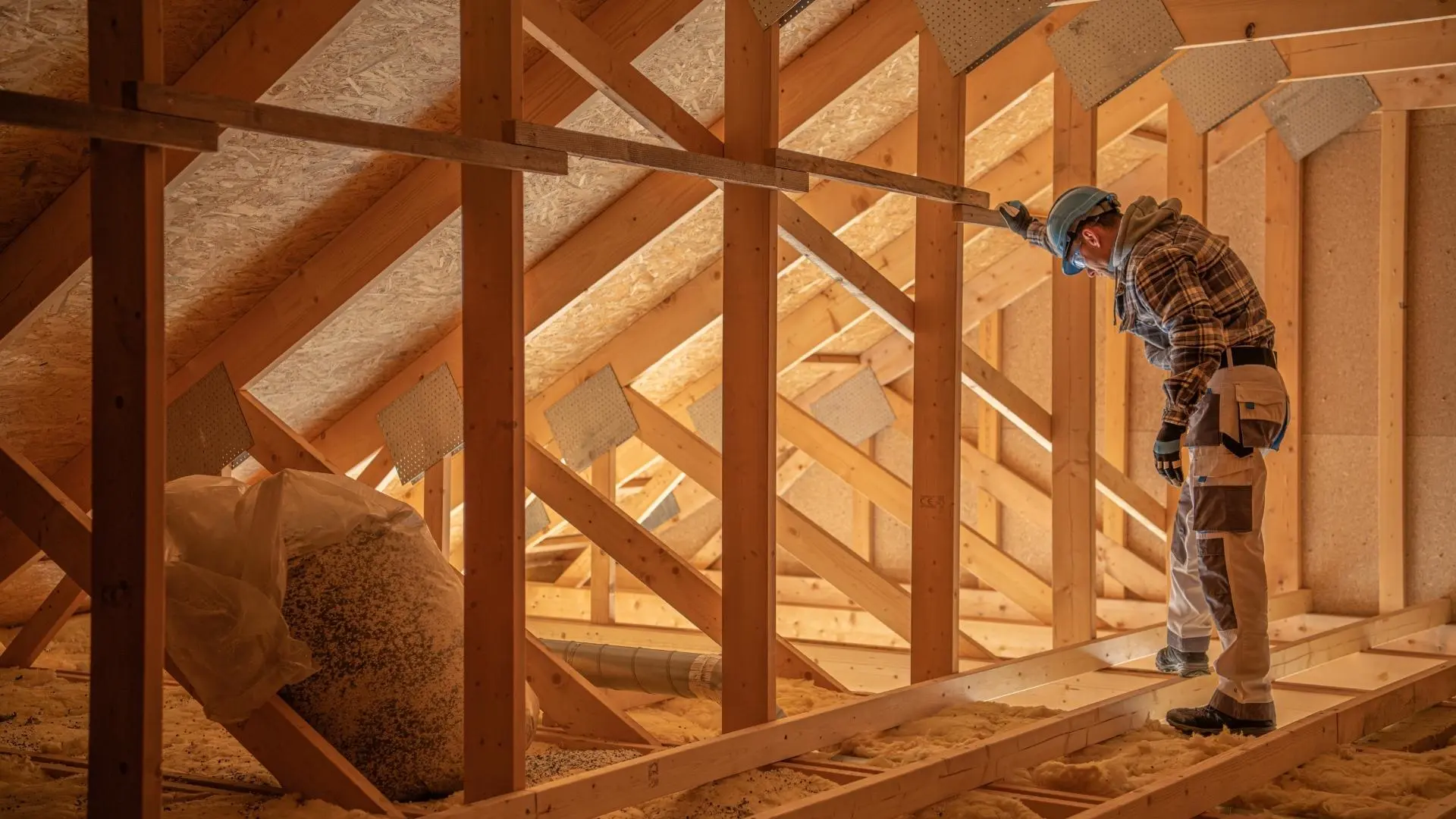
An attic with excess heat, poor airflow, or ongoing signs of condensation can accelerate wear, encourage moisture problems, and contribute to the formation of ice dams. It is not an exaggeration to say that, in many cases, the roof is only showing the symptom of a problem that actually started with how the home handles heat and moisture in winter.
That changes the way the issue needs to be evaluated. Instead of focusing only on fixing the area where water came through, the homeowner starts to understand that roof performance also depends on how the house manages heat, airflow, and moisture throughout the season. And that leads to a much smarter assessment overall.
What to check before spring fully sets in
Before life returns to normal and winter starts to feel like it is behind you, it is worth taking a closer look.
Check for any signs of water inside the house, whether any shingles appear to have shifted, whether the gutters are clear and draining properly, and whether the attic shows signs of moisture, wet insulation, mold, or condensation. It is also smart to watch areas where snow tends to pile up or where ice seems to form more easily year after year. Those repeated patterns can say a lot about how your roof is responding to the local climate.
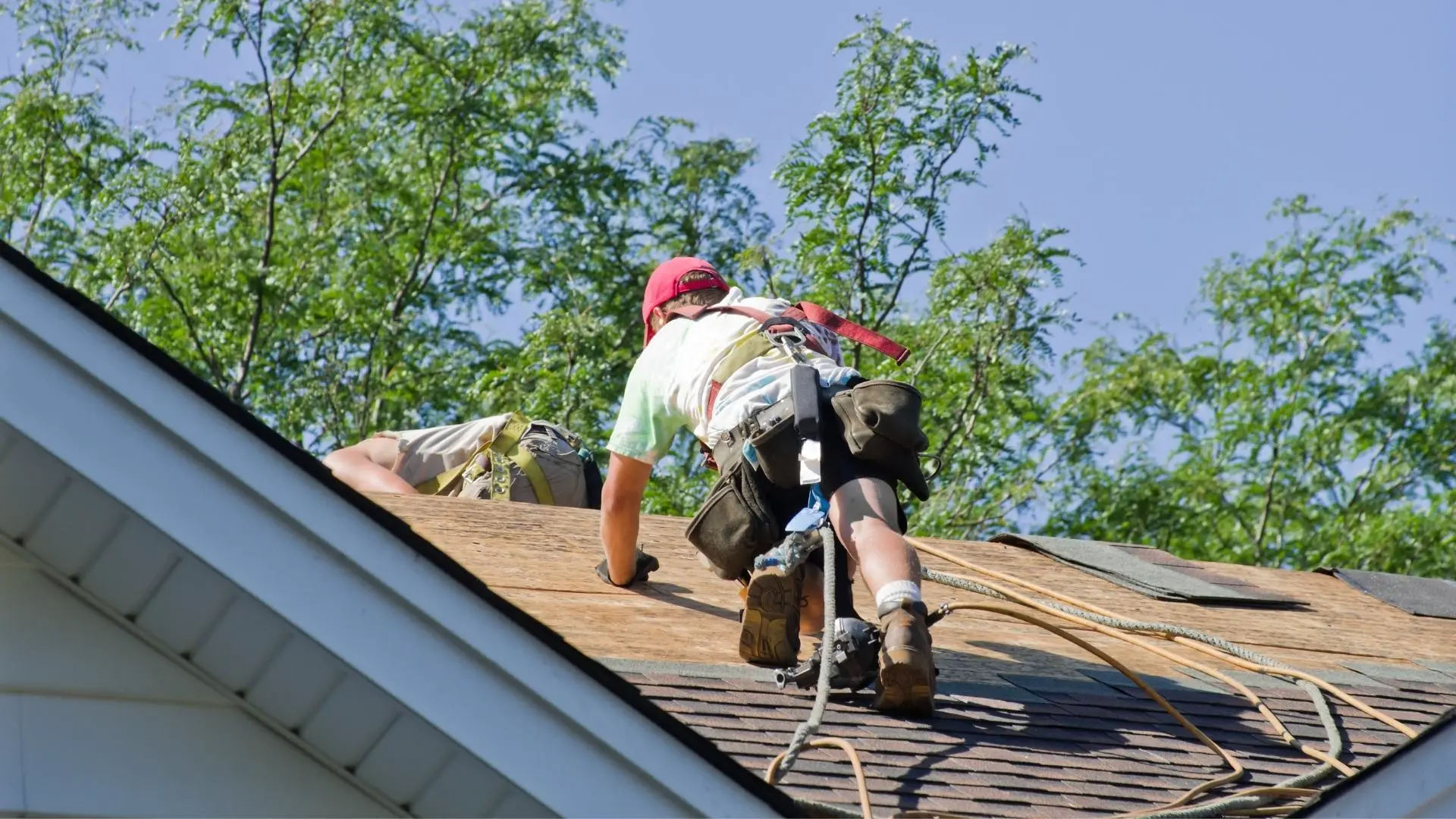
The goal here is not to create unnecessary alarm. It is to avoid the classic situation where a subtle sign is ignored at the end of winter, only to reappear weeks later as a larger, more frustrating, and more expensive repair. When it comes to roofing, catching problems early is almost always better than waiting.
If you want to avoid common renovation mistakes when small warning signs start to appear, we also recommend reading: What Not to Do in a Home Renovation?
How to lower the risk next winter
Not every winter roofing issue can be prevented, but many of them can be reduced with the right preventive attention.
A few things can make a real difference:
- proper attic ventilation
- good insulation
- drainage that is working the way it should
- regular monitoring of the condition of your shingles and gutters
These steps help reduce the risk of:
- condensation
- leaks
- recurring ice dam formation
In a place like Massachusetts, this kind of care is not overkill, it is simply a smart maintenance.
For homeowners thinking beyond seasonal maintenance, “5 Important Aspects to Renovate Your Home’s Exterior” is also a helpful read.
At the end of the day, roofs rarely show signs out of nowhere. Most of the time, they reveal small clues along the way. The key is not to wait until a leak shows up inside the house to realize that winter has already taken its toll.
Conclusion
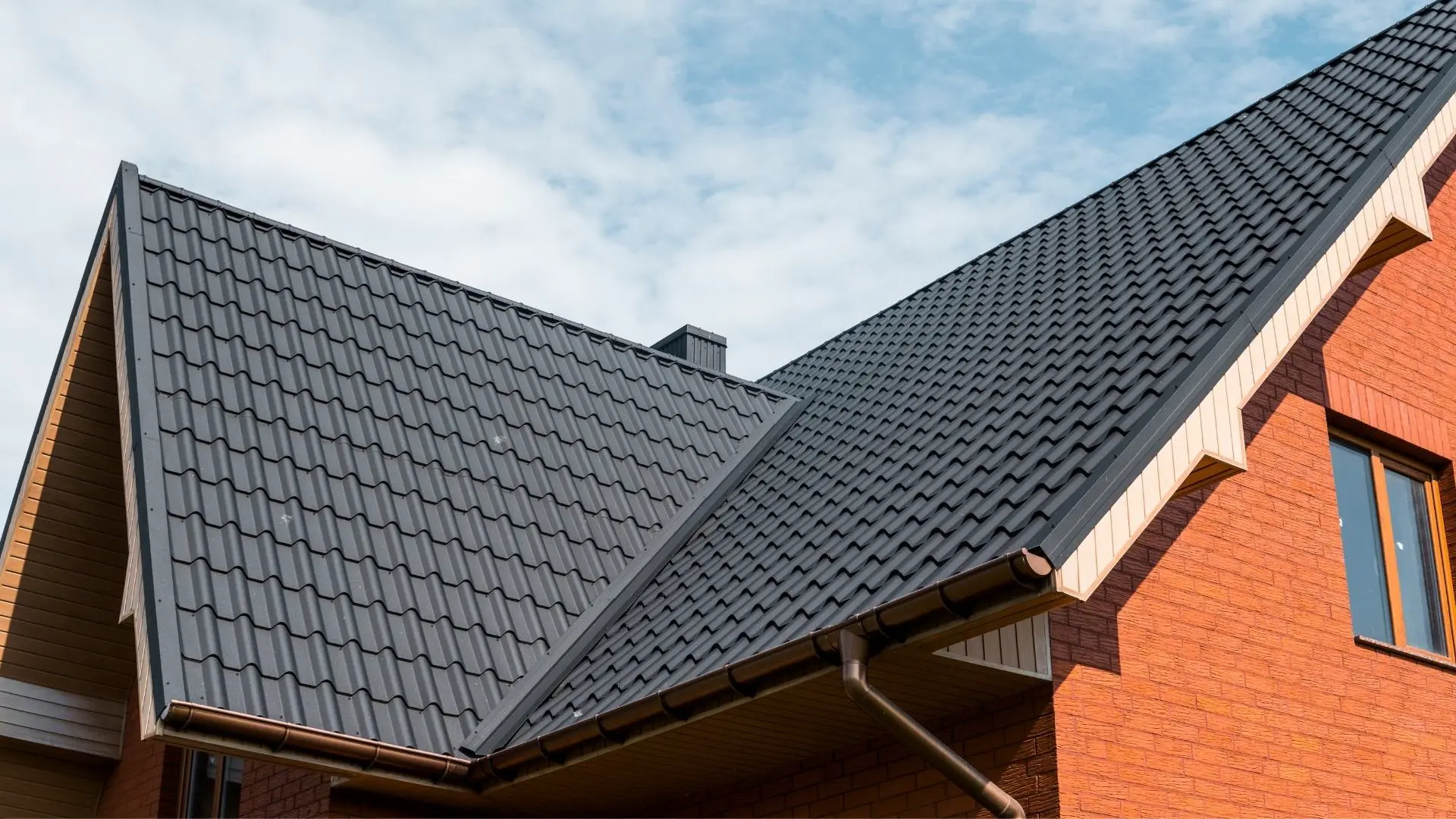
Winter in Massachusetts can affect a roof in quiet ways, and many issues only start to show once snow begins to melt, rain picks up, or moisture becomes more noticeable inside the home.
More than waiting for a major leak or a more serious problem, the better approach is to catch the signs early, better protect the structure of the home, and avoid more complex repairs down the road. If you want a better understanding of your roof’s condition after winter, speaking with an experienced team can help you see the best solution for your space. Contact us at Makeover to take a closer look at your roof and move forward with more clarity and confidence.